

Sudan’s Cultural Heritage Under Siege: Threats, Resilience, and Conservation Strategies
The ongoing civil war in Sudan has left the country's millennia-old cultural accumulation facing irreversible destruction. This study analyzes the direct impacts of the conflict between the Sudan Armed Forces (SAF) and the Rapid Support Forces (RSF) on cultural heritage, as well as the financial inadequacies, environmental risks, and the survival struggle of heritage workers in this chaotic environment.
ARTICLES & REPORTS
Dr. Bilal BİLGİLİ
7/26/2025
Memory Loss in the Shadow of War
The ongoing power struggle between the Sudanese Armed Forces (SAF) and the paramilitary Rapid Support Forces (RSF) has plunged Sudan into a catastrophic crisis, resulting in tens of thousands of deaths and the displacement of approximately 13 million people. Beyond the immense human toll, this conflict has directly targeted the nation’s historical identity, striking cultural institutions such as museums and archaeological sites. While museums are being looted or destroyed, archaeological sites are deteriorating rapidly due to a severe lack of funding and insufficient international support. Despite these overwhelming challenges, cultural heritage professionals—many of whom are themselves displaced—continue their efforts to protect Sudan’s legacy.
Systematic Looting and Physical Destruction
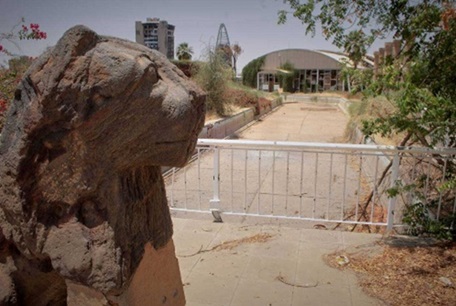
The destruction of cultural heritage is most evident in the nation's leading museums, with the National Museum of Sudan in Khartoum suffering some of the most severe damage. Reports and footage emerging in March 2025 confirm that the museum’s collections have been systematically looted and the building itself has been largely destroyed. While heavy artifacts, such as the Meroitic-period lion statue, remain in situ due to their weight, many lighter and more portable objects have been stolen. This pattern of plunder has extended beyond public institutions, as the homes of various heritage specialists and curators have also been targeted and looted.
Financial Crisis and the Withdrawal of International Support
The preservation of archaeological sites is currently hindered by a profound financial crisis and a lack of sustained international aid. Historically significant locations, such as the Jebel Barkal UNESCO World Heritage site, have relied on international partnerships to survive in the absence of government support. However, cuts to foreign aid by the U.S. administration in March 2025 led to the termination of critical grants from the U.S. Ambassadors Fund for Cultural Preservation. Other major sites, including the Island of Meroe, face similar hardships, where staff must secure funds for generator fuel and well maintenance in remote areas lacking electricity and running water. Despite support from the Sudan Archaeological Society and the British Museum, bureaucratic hurdles often prevent aid from reaching those on the ground, leaving a significant gap in necessary funding.
Environmental Risks and Anthropogenic Pressures
The chaotic environment created by the war has exacerbated natural threats to cultural heritage. Sites like Jebel Barkal face increased vulnerability to flooding and the unauthorized occupation of historical grounds by displaced persons—issues that existed before the conflict but have intensified since its onset. Pyramids, temples, and ancient industrial areas are now increasingly exposed to the effects of climate change, including severe seasonal flooding and sand accumulation. Furthermore, the lack of oversight has emboldened opportunists, leading to the approval of illegal construction activities within UNESCO buffer zones, which heritage staff must work to halt through police reports and legal threats.
The Human Element: Resilience Amidst Hardship
The struggle to protect Sudan’s heritage is inextricably linked to the personal hardships of its custodians. Heritage workers have faced repeated displacement, economic collapse, and the loss of access to basic services such as electricity and communication. With salaries failing to cover basic needs and the price of medicine and food skyrocketing, many specialists find themselves performing manual labor, such as hauling water from the Nile, just to sustain their families. The psychological impact of seeing their life’s work destroyed has been profound. Nevertheless, driven by the trust of their local communities and a sense of duty to their country, these professionals remain committed to securing these sites and preserving what remains of Sudan’s history.
Conclusion and Recommendations
The protection of cultural heritage in Sudan is a multifaceted challenge where physical destruction, financial insolvency, and environmental risks intersect. The looting of museums and the neglect of archaeological sites threaten a permanent loss of national memory. To safeguard Sudan’s cultural richness, it is imperative to revitalize international funding flows and strengthen coordination between governments and international organizations. Long-term sustainability depends on the participation of local communities and ensuring the safety of field personnel. Immediate, comprehensive policies must be implemented by both national and international stakeholders to protect both the tangible heritage and the specialists who guard it, ensuring that Sudan’s identity and history are preserved for future generations.